
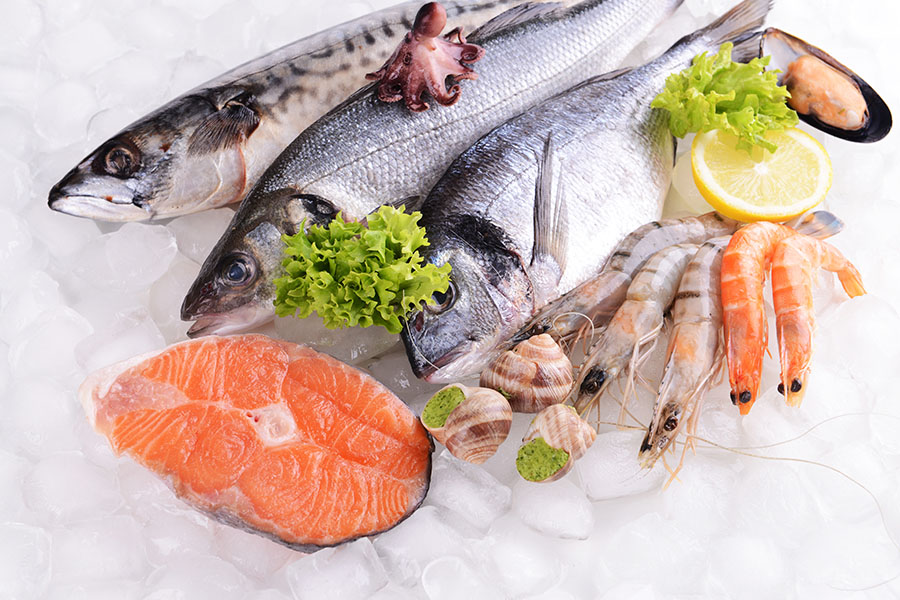
You want to know: Fresh fish, mollusks and crustaceans are awash with nutrients, and the U.S. Dietary Guidelines recommend consuming eight to 12 ounces of seafood weekly. But high levels of mercury, sodium and purines can muddy the waters for people with particular risks. So which seafood choices are the healthiest to reel in?
High blood pressure or heart disease
Fresh vs. Processed: While fresh shrimp is naturally low in sodium (about 100mg per 3oz), frozen varieties are often treated with sodium-based preservatives like STPP (sodium tripolyphosphate) to retain moisture. Instead of just rinsing, check the ingredient label for added salts or phosphates. Look for “no salt added” or “chemical-free” labels to keep your intake within the recommended 2,300mg daily limit.
Canned Choices: When choosing canned seafood, opt for varieties packed in water rather than oil. This significantly reduces unnecessary fats and keeps the focus on the heart-healthy Omega-3s.
Pregnancy
The latest 2026 guidelines suggest that rather than just limiting fish, pregnant individuals should actively choose 8 to 12 ounces of low-mercury “Best Choices” weekly to support fetal neurodevelopment.
Focus on Salmon, Anchovies, and Canned Light Tuna (Skipjack). Larger predatory fish like Swordfish, Shark, and King Mackerel should still be avoided due to mercury biomagnification.
Gout
The Salmon Exception: While high-purine seafood like sardines and anchovies can trigger flare-ups, not all fish are off-limits.
Salmon is now recognized as a “low-to-moderate” purine option that is rich in anti-inflammatory Omega-3s, which may actually help manage joint inflammation. For those with gout, a 3- to 4-ounce serving of salmon twice a week is generally considered a safe, heart-healthy protein choice.
Overweight vs obesity
The Farmed vs. Wild Debate: Modern aquaculture has evolved. While wild sockeye salmon is naturally leaner and lower in calories, high-quality farmed Atlantic salmon often contains higher levels of Omega-3s (EPA and DHA) due to specialized nutrient-dense feed.
Don’t rule out farmed options. Both wild and farmed salmon are nutrient powerhouses. If you are watching calories, wild-caught is your best bet for a lean protein; if you are looking to maximize Omega-3s, farmed salmon is a valid choice
Final thought
When shopping, look for the “Double Standard” of sustainability.
- Wild-Caught: Look for the Blue MSC (Marine Stewardship Council) label.
- Farmed: Look for the Green ASC (Aquaculture Stewardship Council) label.
“These great resources let you know which products have been sustainably sourced, helping to protect our oceans and ensure seafood supplies for years to come,” says Roper St. Francis Healthcare dietitian Jessie Thomas.